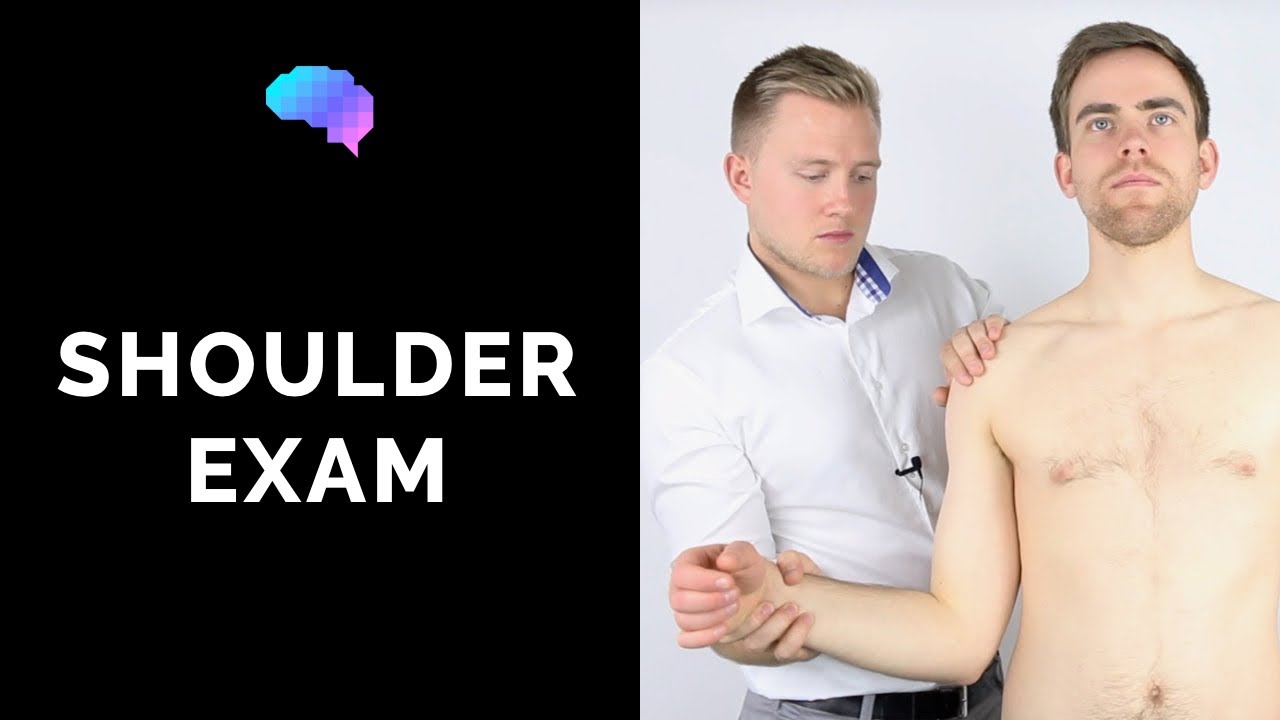
Comprehensive Shoulder Exam: Unraveling the Causes of Pain & Dysfunction
The shoulder is a marvel of biomechanical engineering, offering an impressive range of motion essential for daily life. However, its complexity also makes it highly susceptible to injury and chronic pain. For any healthcare professional or student aspiring to master musculoskeletal assessment, a thorough understanding of the shoulder examination is paramount. At Shoulder Exam Geeky Medics, we emphasize a systematic approach to accurately diagnose the underlying causes of shoulder pain and dysfunction, guiding effective treatment strategies.
A comprehensive shoulder examination is not merely a checklist; it's a detective process that integrates patient history with meticulous physical assessment. The time-tested framework of "look, feel, move, and special tests" serves as an invaluable aide-memoire, ensuring no crucial step is missed. This article delves deep into the initial and foundational stages of this examination, focusing on preparation and the critical "look" component, providing insights that go beyond the surface.
Laying the Groundwork: Preparing for Your Shoulder Examination
Before any physical assessment begins, a series of preparatory steps are essential to ensure patient comfort, safety, and a successful examination. These steps are crucial for building rapport and setting a professional tone, which is especially important in an OSCE setting or any clinical encounter.
- Hygiene and Safety First: Always begin by washing your hands thoroughly and donning appropriate personal protective equipment (PPE) if indicated. This protects both you and the patient.
- Introduction and Consent: Introduce yourself clearly, stating your name and role. Confirm the patient's name and date of birth to ensure you are examining the correct individual. Briefly explain what the examination will involve, using patient-friendly language to alleviate anxiety. Crucially, gain explicit verbal consent to proceed before touching the patient.
- Adequate Exposure and Comfort: To properly assess the shoulder girdle, the patient's upper body needs to be adequately exposed, ideally to the waist. Always provide a blanket or sheet to cover the patient when areas are not actively being examined, maintaining dignity and warmth.
- Optimal Patient Positioning: For the initial inspection, position the patient standing. This allows for a natural assessment of posture, symmetry, and how gravity influences their shoulder presentation.
- The Golden Question: Before any physical manipulation, ask the patient directly if they have any pain. Understanding their baseline pain level and exact location is vital. This establishes a reference point and ensures you approach tender areas with extra care, preventing unnecessary discomfort. Remember, your primary goal is to gather information without exacerbating their condition.
The Art of Observation: What to "Look" For
The "look" phase is perhaps the most undervalued yet profoundly informative part of any musculoskeletal examination. It requires a keen eye and a systematic approach, allowing you to form initial hypotheses even before physical contact. Think of yourself as a detective, gathering visual clues.
General Inspection: Scanning for Broader Clues
Begin with a brief general inspection of the patient as a whole, looking for signs that might hint at underlying pathology not immediately obvious in the shoulder:
- Body Habitus: Observe the patient's overall build. Obesity, for instance, significantly increases mechanical load on joints, making it a considerable risk factor for conditions like osteoarthritis in the shoulder, hip, and knee. An increased BMI can also complicate surgical approaches and recovery.
- Scars: Note any visible scars on the upper limbs or torso. The presence and location of scars can provide invaluable clues about previous surgeries (e.g., rotator cuff repair, fracture fixation) or past traumatic injuries. A well-healed surgical scar tells a story of an intervention that may have resolved one problem but could potentially lead to others, such as stiffness or nerve impingement.
- Wasting of Muscles: Look for any asymmetry or reduction in muscle bulk. Generalized wasting can suggest chronic disuse atrophy due to prolonged joint pathology or a systemic illness. Unilateral or localized wasting, particularly around the shoulder, might indicate a more specific issue like a lower motor neuron lesion affecting a particular nerve (e.g., suprascapular nerve affecting supraspinatus/infraspinatus) or prolonged immobilization from a painful condition.
Objects and Equipment: Additional Insights
Beyond the patient's physical appearance, observe their immediate surroundings:
- Aids and Adaptations: Is the patient wearing a sling, using crutches, or relying on other support devices? A sling, for example, is a strong indicator of recent shoulder injury, surgery, or an acute exacerbation of a chronic condition. It suggests the need for pain management and protective immobilization.
- Prescriptions: While not always directly visible, a quick glance at prescribing charts or personal medications can offer insights. Regular analgesia use (e.g., NSAIDs, opioids) points towards ongoing pain, while muscle relaxants might suggest muscle spasm. Knowledge of their current medication regimen helps contextualize their presentation and plan for appropriate pain assessment.
Closer Inspection of the Shoulder: A Detailed Examination
Now, direct your focus specifically to the shoulder girdle. Ask the patient to stand and gently turn in 90-degree increments, allowing you to inspect the upper limbs from all angles.
Anterior Inspection: Frontal View Findings
From the front, carefully inspect both shoulder joints and upper limbs for any abnormalities:
- Scars and Bruising: Re-examine scars more closely, noting their precise location, size, and appearance. Fresh bruising is a strong indicator of recent trauma or surgery. Bruising around the deltoid or pectoralis muscles, for instance, could suggest a significant impact injury or even a tear.
- Asymmetry of the Shoulder Girdle: Look for any noticeable differences between the left and right shoulders. Asymmetry can be caused by various factors, including underlying scoliosis, degenerative arthritis, previous fractures (e.g., clavicle), or a dislocated shoulder joint. Subtle asymmetry might be a key sign to investigate further.
- Swelling: Note any unilateral swelling. This could be due to an effusion (fluid accumulation within the joint, common in inflammatory arthropathy), an inflammatory process, or even a dislocation where the normal contour is disrupted. Compare both sides meticulously.
- Abnormal Bony Prominence: Any unusual bumps or protuberances should raise suspicion. A prominent clavicle might indicate a fracture, while an anterior dislocation of the glenohumeral joint often presents with an abnormally prominent humeral head or a "squared-off" appearance of the shoulder where the deltoid normally gives it a rounded contour.
- Deltoid Wasting: Pay close attention to the bulk of the deltoid muscles. Asymmetry or significant reduction in size could be due to prolonged disuse atrophy secondary to a painful shoulder or, more specifically, damage to the axillary nerve, which innervates the deltoid. This observation immediately points towards a potential neurological component.
Lateral Inspection: Side View Clues
When inspecting from the side, observe the shoulder's profile and surrounding structures:
- Scars: Again, look for any scars on the lateral aspect, which might indicate a lateral approach to shoulder surgery or trauma.
- Posture and Rounded Shoulders: Note if the shoulders appear rounded or if there's excessive thoracic kyphosis. Poor posture can significantly alter shoulder mechanics and contribute to impingement syndromes or muscle imbalances.
- Scapular Position: While better seen posteriorly, a lateral view can sometimes hint at issues like scapular winging (where the medial border of the scapula protrudes), often indicative of serratus anterior weakness or long thoracic nerve palsy.
Beyond the Visual: What Comes Next
Once you've thoroughly "looked" and gathered a wealth of visual information, the next steps involve a detailed "feel" (palpation), "move" (assessment of active and passive range of motion), and specific "special tests" to pinpoint the exact pathology. Each subsequent stage builds upon the initial observations, helping to confirm or refute your evolving hypotheses.
For a step-by-step walkthrough of the entire OSCE-style examination process, including palpation and advanced maneuvers, refer to our comprehensive guide on Shoulder Examination OSCE: A Step-by-Step Guide for Medics. To truly master the complete diagnostic toolkit and understand the intricate interplay of look, feel, move, and special tests, explore Mastering Shoulder Exams: Look, Feel, Move & Special Tests.
Conclusion: The Foundation of Accurate Diagnosis
A comprehensive shoulder examination begins with meticulous preparation and an insightful visual assessment. The "look" phase, encompassing both general and closer inspection, provides crucial initial clues about potential underlying conditions, from trauma and inflammation to neurological deficits and chronic degeneration. By diligently observing everything from body habitus and scars to muscle wasting and subtle asymmetries, healthcare professionals can formulate preliminary diagnoses and guide the subsequent, more hands-on parts of the examination. Mastering this foundational step is indispensable for any medical professional aiming for accurate diagnoses and effective patient care in the realm of shoulder pathology, truly embodying the spirit of a Shoulder Exam Geeky Medics approach.